


A Journey Through Books: Travel Destinations in Korean Literature
- Jan 13
- 3 min read
Updated: Jan 15
※ TriPriend app offers discounts and free vouchers for a variety of Seoul cafes, restaurants, and facilities.
To download TriPriend app, please click the banner below.


A wide range of literary works that vividly capture Korea’s culture and history.

There are also works that have been translated into multiple languages and are loved around the world.

Visit the very places from the novels and experience the scenes as they come to life!

You will be able to appreciate the scenes from the novel even more vividly.

Let's begin😎


Han Kang’s Human Acts is a novel based on rigorous research and verification, depicting the May 18 Gwangju Democratization Movement and the lives of those left behind. You can still find traces of the events in Gwangju, where the story is set. The popularity of the novel even led to the creation of “The Boy’s Path,” a guided walking program following the major locations the protagonist, Dong-ho, passed through. Although the program has not reopened this year, it is expected to return in a more developed form, so why not explore the area beforehand?



Start at Jeonil Building 245, where 245 helicopter gunfire marks remain, and continue to locations featured in the novel, such as Sangmugwan, the provincial government building, its fountain plaza, Democracy Square, and Geumnam-ro. You can also visit sites like the former Gwangju Red Cross Hospital, where injured citizens were treated, and the May 18 Archives, to reflect on the moments of that day.

Address: 245 Geumnam-ro, Dong-gu, Gwangju
Website: https://www.gwangju.go.kr/jeonil/
Work: 9AM – 10PM (for detailed operating hours of indoor facilities, please refer to the official website)


Pachinko is a sweeping novel that follows the lives of a Korean family across four generations, portraying the experiences of Zainichi Koreans living in Japan. While the book itself gained worldwide acclaim, its adaptation into an Apple TV+ series touched even more hearts. Yeongdo in Busan is the hometown of the novel’s protagonist, Sunja, and a place she longed for throughout her life. Although the book offers only a few descriptions of Yeongdo, you can still sense her ordinary, happy childhood in many corners of the area.


The sea where young Sunja dove for shellfish, the washing place where she met Hansu, and the bustling nearby markets all allow you to trace the novel’s atmosphere. The drama also features various Busan locations such as Taejongdae, Yeongdo District Office, and Jagalchi Market, bringing scenes to life with even greater vividness. Gamji Beach, where the emotional scene of Sunja returning to her hometown in old age was filmed, also offers a stunning coastal view.
Address: 24 Jeonmang-ro, Yeongdo-gu, Busan
Work: Oct – Mar 9:20AM – 5:30PM
Apr – Sep 9:20AM – 6:30PM


The Camellias is a short story set in a rural Gangwon Province village in the 1930s, portraying the impulsive affection between a teenage boy and girl with a humorous touch. Its author, Kim Yu-jeong, is one of the representative writers of the 1930s, and this work remains especially familiar and beloved among Koreans. Many of his stories were inspired by the landscapes of his hometown, Sille Village in Chuncheon.

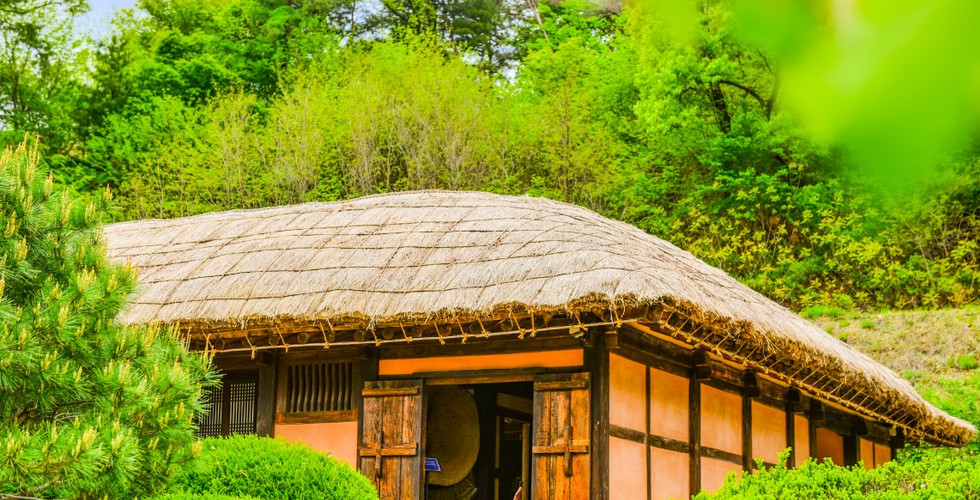


Today, Chuncheon offers multiple places where you can trace his legacy, from Gimyujeong Station to the Kim Yu-jeong Literature Village and the restored site of his childhood home. The literature village features exhibits on his life, works, and the rural society of the era, providing rich insight into his world. Outdoors, you can even encounter sculptures of characters from the story, bringing the narrative to life. Follow the literary spirit of Chuncheon through its rail bikes at Gimyujeong Station and its beautiful scenery.
Address: 1430-14 Gimyujeong-ro Sindong-myeon, Chuncheon-si, Gangwon-do
Work: 9:30AM – 5PM (Mon, Closed)


